How Do AI Image Detectors Work?
The neural networks and detection science behind identifying AI-generated images.
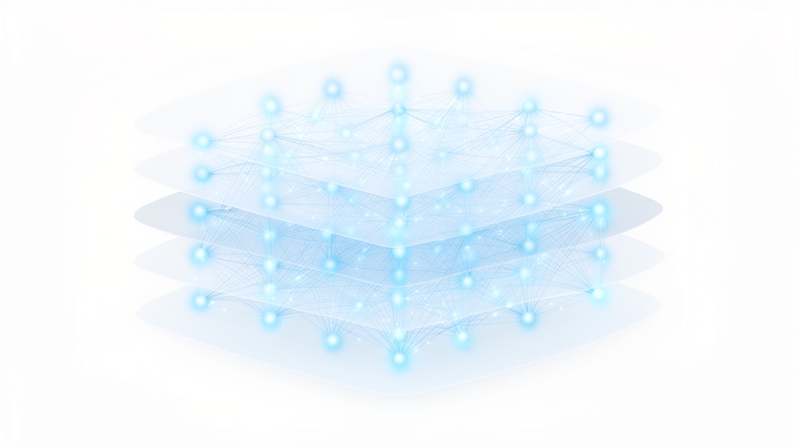
The Core Technology: Deep Neural Networks
AI image detectors are powered by deep convolutional neural networks (CNNs) — the same fundamental architecture used in image recognition systems. However, instead of classifying what's in an image (cat, dog, car), these specialized networks classify how an image was made — by a camera or by AI.
Training the Detection Model
Training an AI image detector requires massive datasets of both authentic photographs and AI-generated images. The model learns from millions of labeled examples, gradually identifying the statistical fingerprints that separate real from synthetic images. Training data must include outputs from all major AI generators to ensure broad detection coverage.
What the Model Sees
When you upload an image, the detection model analyzes several layers of information. At the pixel level, it examines noise distribution — real cameras produce sensor noise with specific statistical properties that AI generators don't replicate perfectly. In the frequency domain (obtained via Fourier transform), AI-generated images often show characteristic spectral patterns. At the structural level, the model identifies subtle inconsistencies in lighting, perspective, and texture that betray AI origin.
Confidence Scoring
Rather than providing a simple yes/no answer, modern AI image detectors output a confidence score — typically a percentage from 0% to 100%. This score represents the model's certainty about its classification. A score of 95% "AI-Generated" means the model is highly confident the image was created by AI, while a score near 50% indicates genuine uncertainty.
Limitations and Edge Cases
No AI image detector is 100% accurate. Detection becomes more challenging with heavily compressed images (which destroy subtle artifacts), AI-enhanced real photos (which blend real and synthetic elements), and screenshots or photos of screens (which add a layer of transformation). Understanding these limitations helps users interpret results appropriately.